
Mill Industries, Inc.
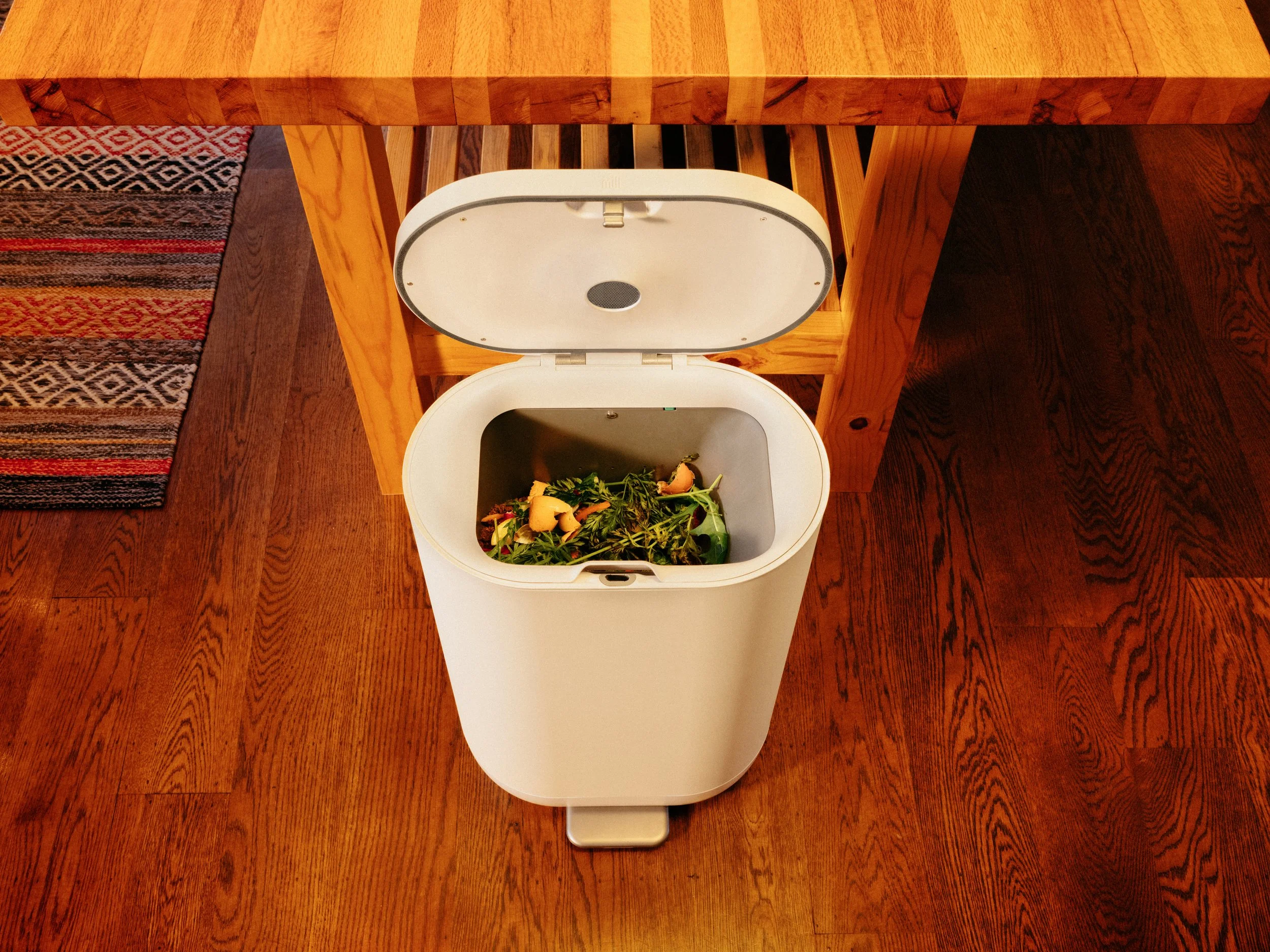
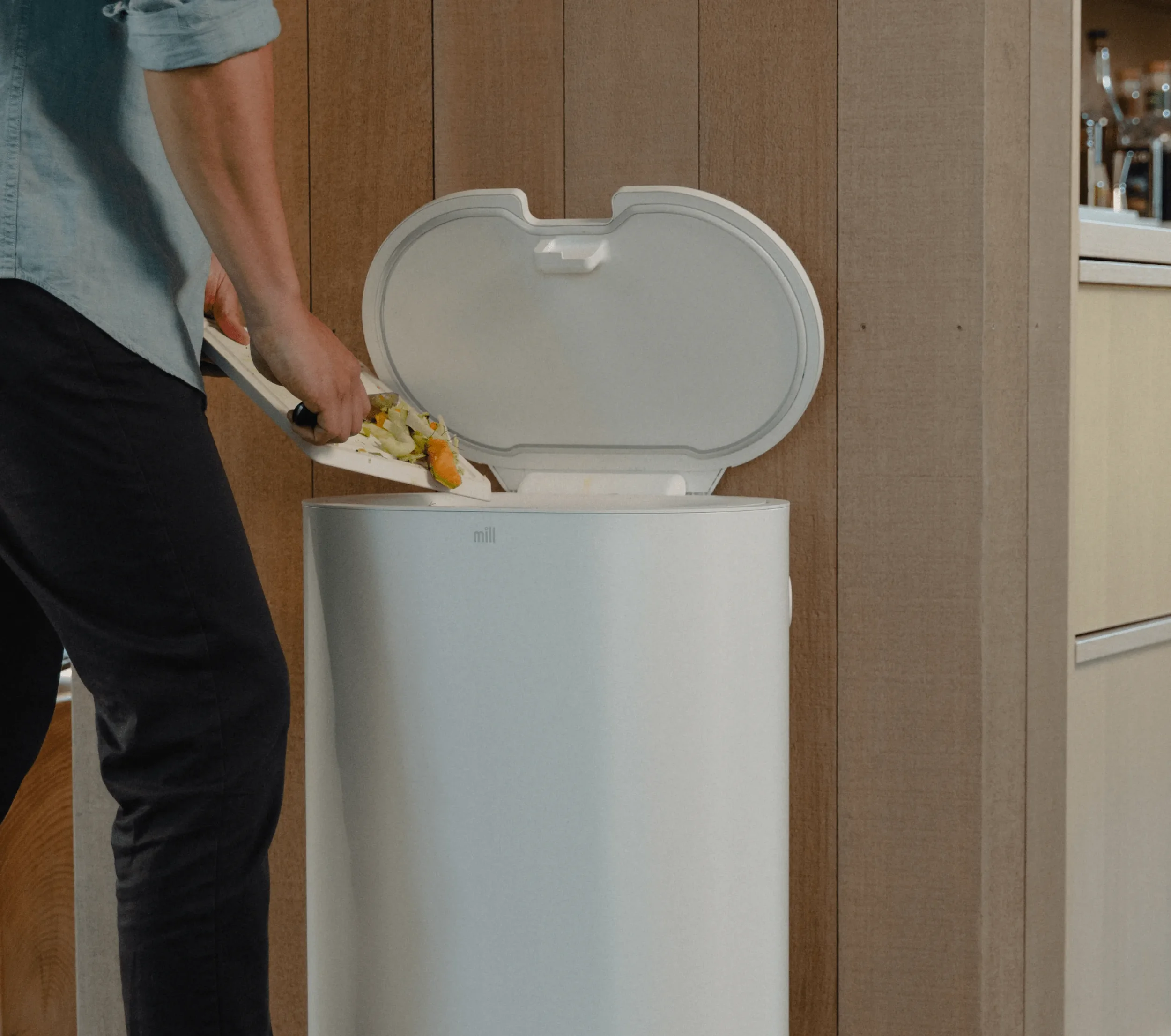
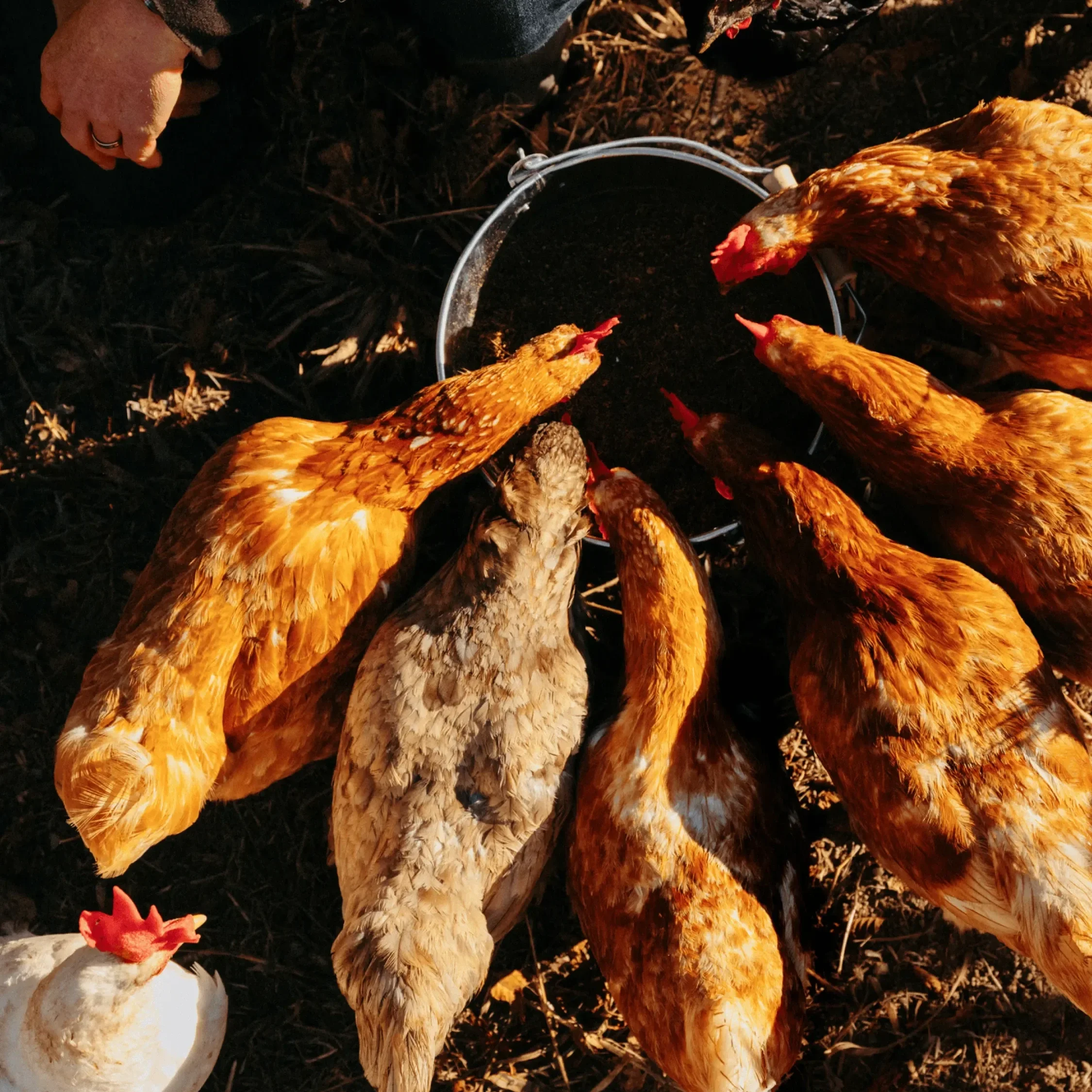
Founded in 2019, Mill Industries (Mill) uses design-led technology to cut household food waste. Its fully automated food recycler, the size of a standard kitchen trash bin, dehydrates food waste and scraps, eliminates odors, and reduces volume by ~80%, producing nutrient-rich material for gardens, backyard chickens, or small farms.
The U.S. is the world’s largest end-of-supply-chain food-waste producer, households collectively are the biggest contributors, and food scraps and trimmings are the most prevalent type of food waste. To date, Mill has installed over 30,000 units in homes and small businesses, diverting more than 10 million pounds of waste from landfills and avoiding ~15,000 tons of CO2E.
Mill now plans to apply its existing technology to new products that address food waste challenges for different segments using different business models. First, excluding farms, commercial sites like grocery stores, schools, hospitals, hotels, stadiums, amusement parks, universities, and food manufacturers produce over 40% percent of U.S. food waste, yet their scale and diversity make effective solutions difficult. Second, Mill’s current residential device, priced at $1,000, is inaccessible to a vast majority of the 100 million households in the U.S., and municipalities and companies that help manage food waste are interested in enabling broader adoption.
Venn’s PRI will supply Mill with patient, below-market capital to help the company design, test, and manufacture new products that build on its existing technology and to begin deploying those new products with new segments using new business models. The primary purpose of Venn’s PRI is to preserve the natural environment for the benefit of the public by conserving natural resources and directly reducing GHG emissions from food waste, as well as to educate the public.
First Commercial Application
In December 2025, Mill and Amazon announced a collaboration to bring Mill’s innovative technology to Whole Foods Market stores to reduce in-store food waste.
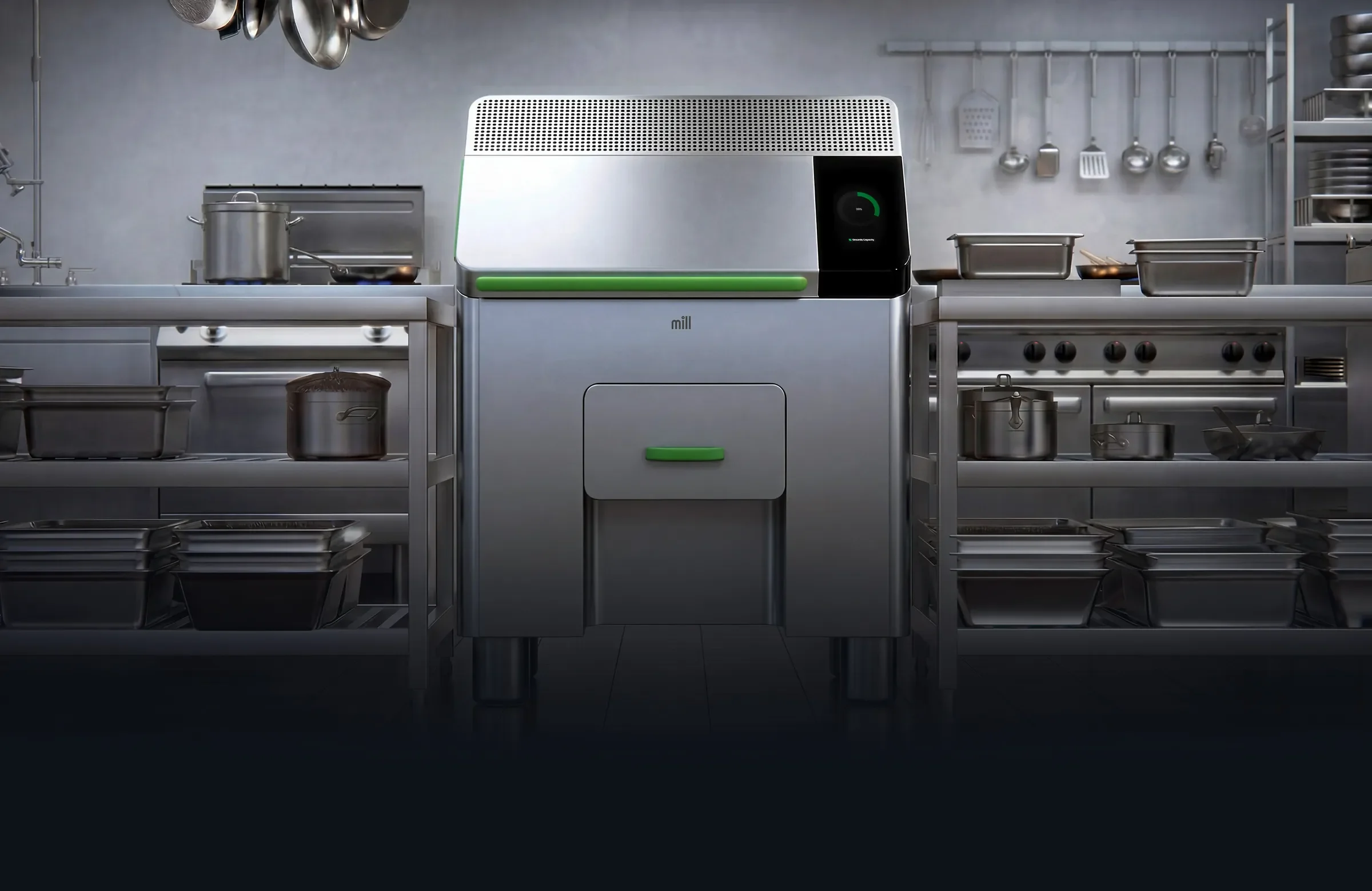
Starting in 2027, fruit and vegetable scraps generated in Whole Foods Market’s back-of-house operations will be processed by Mill’s new commercial-scale device (“Mill Commercial”) and turned into a nutrient-rich chicken feed ingredient intended for Whole Foods Market’s private-label egg suppliers.
Mill Commercial will precisely and automatically measure and characterize the fruit and vegetable scraps, helping to enable smarter inventory decisions and optimized ordering patterns. Its advanced dehydration process can also reduce waste volumes by up to 80%, simplifying Whole Foods Market’s operational handling requirements, significantly lowering transportation costs, and enhancing food safety.
“We’re excited to collaborate with Mill on its innovative commercial scale technology that will help us reduce food waste and operate more efficiently,” said Jason Buechel, VP Amazon Worldwide Grocery Stores and CEO, Whole Foods Market. “This first-of-its-kind collaboration enables us to minimize waste while building a more circular supply chain that benefits our customers, communities, and environment.”

Mill Commercial

Recipient Name: Mill Industries, Inc.
Corporate Form: a Delaware Corporation
Investment Sought: $1 million - $20 million
Amount Raised to Date: $4,000,554
Overview of Investment Terms:
10-Year Unsecured, Subordinate Loan
Accrues Simple Interest at 3% Annually
Payment Terms
Annual interest-only payment equivalent to 1% simple interest
All principal and remaining interest due at term
No penalty for early repayment